
Quick Overview
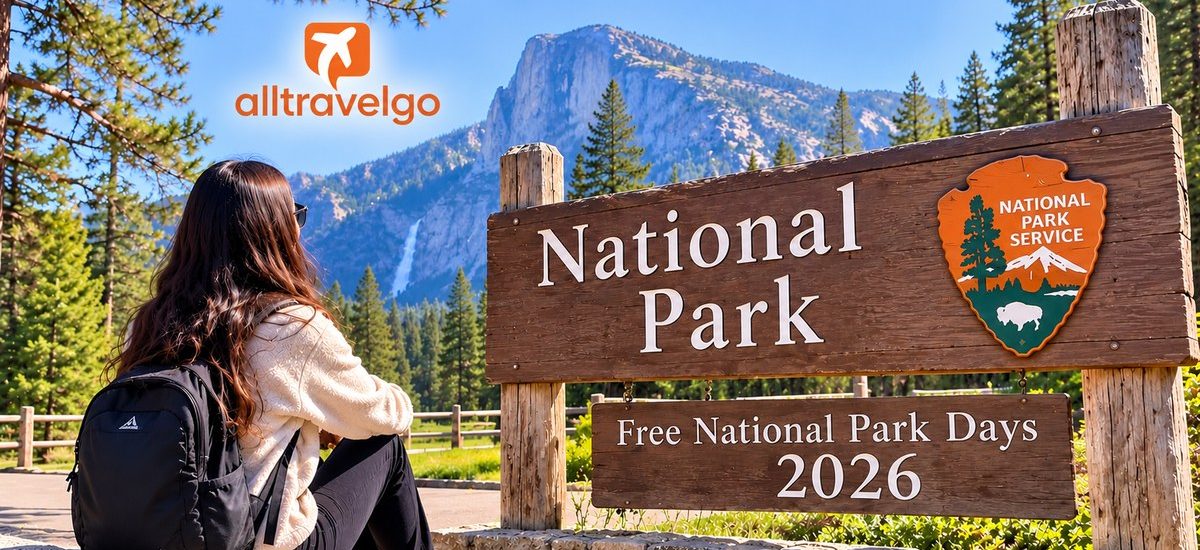
The National Park Service offered 10 fee-free days in 2026, up from six in 2025. The full schedule was:
Date | Occasion |
Feb. 16 | Presidents Day |
May 25 | Memorial Day |
June 14 | Flag Day |
July 3–5 | Independence Day weekend (3 days) |
Aug. 25 | NPS 110th birthday |
Sept. 17 | Constitution Day |
Oct. 27 | Theodore Roosevelt’s birthday |
Nov. 11 | Veterans Day |
The schedule dropped Martin Luther King Jr. Day and Juneteenth, which had been fee-free in earlier years. Free admission on these dates was also limited to U.S. citizens and residents.
Update (November 2026): Veterans Day was the final 2026 date. Check the NPS fee-free days page for the 2027 calendar once it’s announced.
What "Fee-Free" Actually Covers
“Free” means the entrance fee is waived. It does not mean everything is free. Camping, reservations, and special-use permits still apply on fee-free days.
- Timed-entry and reservation fees still apply at parks that require them.
- Parking and shuttle fees can still apply. For example, at Muir Woods the $15 entrance fee was waived, but parking ($10) or shuttle ($4) costs and reservations were still required.
- Tours, boat launches, and campgrounds are charged separately.
Budgeting a full trip? Our national park trip cost breakdown shows where the money really goes.
Who Qualifies for Free Entry?
Starting in 2026, free entrance was for U.S. citizens and residents only. Nonresidents paid the regular entrance fee and any applicable nonresident fees. The NPS also said residents aged 16 or older need to show ID to get in at the resident rate or on fee-free days.
International visitors should also know that nonresidents without an annual pass pay $100 per person at some of the most popular parks. Details are on the NPS nonresident fees page. If you’re visiting from abroad, our guide to the best eSIM for USA travel helps with connectivity in areas with patchy coverage.
Best Parks to Visit on a Free Day
Only some parks charge admission, so pick one where the waiver saves you real money. Only about 110 of the 424 NPS sites charge an entrance fee. Good fee-free-day choices include:
- Yellowstone, Grand Teton, and Glacier: big per-vehicle fees, but expect heavy crowds in summer.
- Grand Canyon, Zion, and Bryce Canyon: the best value in the Southwest, especially in cooler months.
- Yosemite and Sequoia & Kings Canyon: spectacular, but check reservation rules first.
- Acadia and Rocky Mountain: ideal for autumn color. See our best national parks to visit in fall.
- Smaller national monuments and historic sites: often quieter on free days and great for families.
Parks that are free every day: 19 of the national parks never charge entry, including Redwood in California and New River Gorge in West Virginia. Great Smoky Mountains also has no entrance fee, though check current parking-tag rules before you go.
Insider Tips for Your Next Free Day
- Arrive early or stay late. Entrance lines peak mid-morning. Sunrise visits beat crowds and heat.
- Book reservations first. Timed-entry slots can sell out even when entry is free.
- Carry photo ID. Have it ready for everyone 16 and older in your group.
- Pick a weekday or shoulder season. Free days that fall on weekdays are usually calmer than holiday weekends.
- Go local. A nearby monument or historic site on a free day can beat a long drive to a packed flagship park.
- Plan the logistics. Our road trip planning guide, road trip packing list, and best travel apps for national park road trips cover the basics. Hikers should see the best travel backpacks for national parks.
Free Days vs. the America the Beautiful Pass
If you plan two or three major park visits a year, an annual pass usually beats waiting for free days. The annual pass stayed at $80 for U.S. residents. Flagship parks often charge roughly $30–$35 per vehicle, so the pass typically pays for itself in about three visits. Passes are sold at park entrances and on Recreation.gov.
Planning several parks in one trip? Use our US national parks road trip guide, and consider a travel credit card to earn rewards on gas, lodging, and gear.
Planning for 2027
The NPS typically announces its fee-free calendar in the months before the new year, so watch for it soon. Meanwhile, you can:
- Bookmark the NPS fee-free days page.
- Decide whether an annual pass fits your travel style.
- Plan fall and winter park trips early. See our fall destinations guide, foliage forecast, and warm winter getaways.
FAQs: Free National Park Days
When are the national park free days in 2026?
Feb. 16, May 25, June 14, July 3–5, Aug. 25, Sept. 17, Oct. 27, and Nov. 11. That’s ten days in total.
Are there any free national park days left in 2026?
No. Veterans Day (Nov. 11) was the last one.
Are national parks free for everyone on fee-free days?
No. In 2026, free entry applied only to U.S. citizens and residents. Nonresidents paid standard fees.
Why were MLK Day and Juneteenth removed?
Neither the Department of the Interior nor the NPS commented on why they were removed.
Do I need ID on a free day?
Yes, bring a photo ID. The NPS said residents 16 and older must show ID.
Are camping and parking free on fee-free days?
No. Only the entrance fee is waived. Camping, parking, shuttles, tours, and reservations are separate.
Are all national parks free on these days?
Free days apply to parks that normally charge admission. Many sites never charge a fee.
Is the annual pass worth it?
For most people visiting three or more fee-charging parks a year, yes.
When will the 2027 free days be announced?
Not yet announced as of mid-November 2026. Check NPS.gov.
Lorem ipsum dolor sit amet, consectetur adipiscing elit. Ut elit tellus, luctus nec ullamcorper mattis, pulvinar dapibus leo.