

Quick answer: The best national parks to visit in fall are Great Smoky Mountains, Acadia, Shenandoah, Rocky Mountain, Grand Teton, Zion, Yosemite, Grand Canyon, Cuyahoga Valley, and Glacier. Most parks hit peak color between late September and late October, with cooler hiking weather, thinner crowds than summer, and in the Rockies and Southwest dramatically shorter lift lines and easier permits. Book lodging and any timed-entry passes 60–90 days out, since fall weekends still fill up fast.
Summer gets the marketing budget, but fall is when national parks actually feel like national parks again. The RV convoys thin out, midday temperatures drop into hiking-friendly territory, and entire hillsides turn some combination of gold, rust, and crimson depending on which park you pick. The trade-off is that “fall” doesn’t mean the same thing in Maine as it does in Arizona timing your trip wrong by even two weeks can mean bare branches instead of a blazing hillside.
This guide breaks down the 10 best national parks for a fall trip, including when each one actually peaks, what makes it worth the drive, and what’s changed for 2026 that’s worth knowing before you book.
Why Fall Is the Smartest Season for a National Park Trip
- Fewer crowds, once school is back in session. Traffic and parking pressure at marquee parks like Zion and Yosemite drop noticeably after Labor Day, though popular parks can still see busy weekends during peak foliage.
- Better hiking weather. Desert parks like Zion and the Grand Canyon lose their brutal summer heat, while high-elevation parks like Rocky Mountain and Glacier trade snow and afternoon thunderstorms for crisp, stable days.
- Wildlife activity picks up. Elk rut (bugling season) runs through Rocky Mountain and Grand Teton in September and early October, one of the more dramatic wildlife shows in any park, any season.
- 2026 changes to plan around. Entrance passes and fee structures shifted at the start of 2026: the America the Beautiful Annual Pass is $80 for U.S. residents (nonresidents pay $250, plus an additional $100 per-person surcharge at 11 of the most-visited parks). Some parks have also scaled back shoulder-season hours and services, so it’s worth confirming visitor center and campground schedules directly on each park’s nps.gov page before you go.
If you’re mapping a longer trip around several parks, our complete national parks road trip planning guide covers routing, permits, and booking windows in more depth.
The 10 Best National Parks to Visit in Fall
1. Great Smoky Mountains National Park (Tennessee & North Carolina)
Peak color window: Mid-September (higher elevations) through early November (valleys)
As the most visited national park in the country, Great Smoky Mountains holds an unusually broad mix of deciduous tree species, which is why its fall color rolls out in stages rather than all at once — high elevations turn first, valleys follow weeks later. That staggered timing is actually an advantage: it gives you roughly a six-week window to catch color somewhere in the park.
Insider tip: Drive Newfound Gap Road or Cades Cove at sunrise on a weekday. Weekend traffic through the Cove can turn a 20-minute loop into a two-hour crawl during peak color.
2. Acadia National Park (Maine)
Peak color window: Early to mid-October
Acadia is the only national park in New England, and it pairs granite coastline with hardwood forest in a way no other park on this list can match. Maple, birch, and oak color the interior while the Atlantic keeps things dramatic along the Park Loop Road.
Insider tip: Cadillac Mountain’s summit road opens at 5 a.m. Arriving at dawn on a clear early-October morning gets you sunrise and peak foliage in the same 30-minute window before the tour buses show up.
3. Shenandoah National Park (Virginia)
Peak color window: Mid-October, with color present from mid-September to mid-November thanks to elevation changes
Shenandoah’s single defining feature is Skyline Drive 105 miles running the length of the park along the ridge of the Blue Ridge Mountains, with dozens of overlooks. Because the park spans a wide elevation range, you can chase color for weeks by simply driving higher or lower.
Insider tip: Campgrounds and lodges inside the park book out well ahead of peak weekends. Lewis Mountain Campground keeps a number of first-come, first-served sites open into December as a fallback.
4. Rocky Mountain National Park (Colorado)
Peak color window: Mid to late September
This is the aspen park. Trembling aspen groves turn a pure, saturated gold against granite peaks and deep blue sky a color combination you don’t get from hardwood forests further east. Fall also overlaps with elk rut, when bugling bulls gather harems in meadows like Moraine Park at dawn and dusk.
Insider tip: Trail Ridge Road (the highest continuous paved road in the U.S.) typically closes for the season in October due to snow; check current status before planning a summit drive.
s, luctus nec ullamcorper mattis, pulvinar dapibus leo.
5. Grand Teton National Park (Wyoming)
Peak color window: Late September to early October
Grand Teton pairs the same golden aspen show as Rocky Mountain with an even more dramatic backdrop: the jagged, glacier-carved Teton Range rising straight out of the valley floor. Combine it with nearby Yellowstone for a two-park fall itinerary, and budget extra time for elk and moose sightings along the Snake River.
Insider tip: Schwabacher Landing and Oxbow Bend are the two most photographed fall spots in the park; arrive within an hour of sunrise to beat both the crowds and the wind that typically picks up by mid-morning.
6. Zion National Park (Utah)
Peak color window: Late October to mid-November (cottonwoods along the canyon floor)
Zion’s fall color is subtler than the East Coast’s, driven mostly by cottonwoods along the Virgin River rather than a full canopy change, but the real draw is the drop in both temperature and crowds. Hikes like Angels Landing and The Narrows go from miserable in July heat to genuinely pleasant by late fall.
Insider tip: Zion Canyon still requires the shuttle for much of the year; confirm the current shuttle schedule before you go, since fall service hours have been trimmed at some parks in 2026.
7. Yosemite National Park (California)
Peak color window: Mid-October to early November
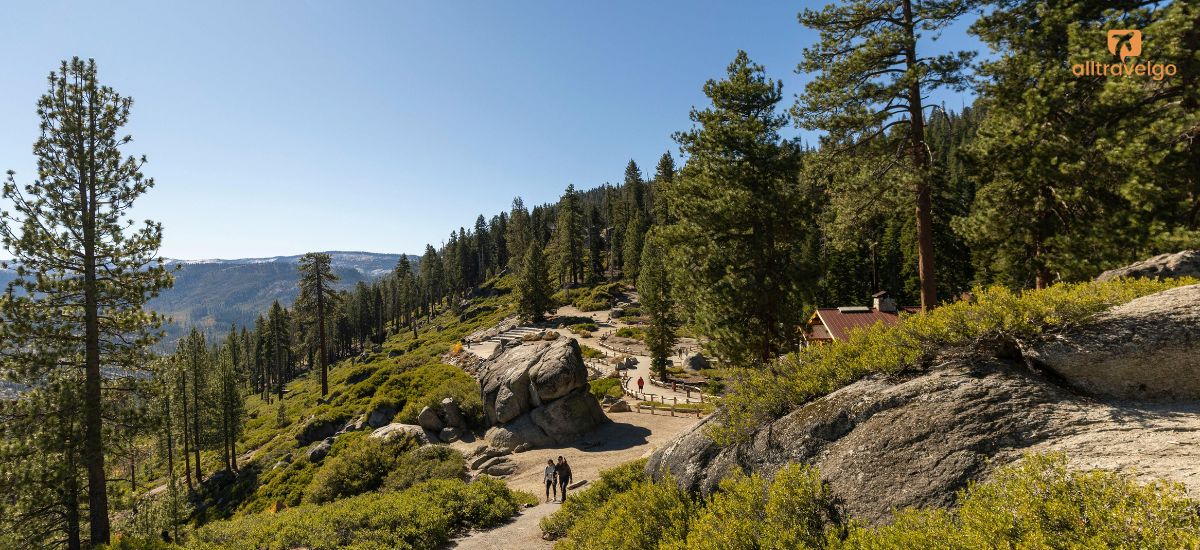
Yosemite Valley’s black oaks and dogwoods turn gold and red against the granite walls of El Capitan and Half Dome, and, critically, the valley’s notorious summer traffic and parking scarcity ease up considerably once school resumes. Waterfalls run lower in fall, but the trade-off in solitude is worth it for most visitors.
Insider tip: Tioga Road across the high country typically closes with the season’s first significant snowfall, often in late October; if you want to see it, go early in the window.
8. Grand Canyon National Park (Arizona)
Peak color window: Late September to mid-October on the North Rim
Most visitors only see the South Rim, but the North Rim, roughly 1,000 feet higher, turns gold with aspen and mixed conifer in late September, and it’s dramatically less crowded than the South Rim year-round. Note that the North Rim typically closes for the season around mid-October, so this is a narrow window.
Insider tip: The South Rim doesn’t have dramatic foliage, but its shoulder-season crowds and cooler daytime temperatures make it one of the best times of year to actually hike below the rim.
9. Cuyahoga Valley National Park (Ohio)
Peak color window: Mid to late October
One of the most underrated entries on this list, Cuyahoga Valley sits between Cleveland and Akron and delivers a full Midwest hardwood color show of maple, oak, and beech along the Cuyahoga River and the Ohio & Erie Canal Towpath Trail without the multi-day drive most other parks on this list require.
Insider tip: Ride the Cuyahoga Valley Scenic Railroad’s fall foliage excursions and hike one direction, then take the train back a low-effort way to cover more ground and more color.
10. Glacier National Park (Montana)
Peak color window: Late September to early October
Glacier’s fall show isn’t about maples; it’s about western larch, a conifer that turns a shocking gold before dropping its needles, set against some of the most dramatic alpine scenery in the Lower 48. Fall also means dramatically thinner crowds on the Going-to-the-Sun Road.
Insider tip: Going-to-the-Sun Road closes at the higher sections with the first heavy snowfall, sometimes as early as mid-September. Call ahead or check the park’s current road status before committing to a route over Logan Pass.
Lorem ipsum dolor sit amet, consectetur adipiscing elit. Ut elit tellus, luctus nec ullamcorper mattis, pulvinar dapibus leo.
Fall National Parks at a Glance
|
Park |
State |
Typical Peak Window |
Known For |
|
Great Smoky Mountains |
TN / NC |
Mid-Sept–early Nov |
Broadest color palette, most visited park |
|
Acadia |
ME |
Early–mid Oct |
Coastal cliffs + hardwood forest |
|
Shenandoah |
VA |
Mid-Oct |
Skyline Drive, extended elevation window |
|
Rocky Mountain |
CO |
Mid–late Sept |
Golden aspens, elk rut |
|
Grand Teton |
WY |
Late Sept–early Oct |
Aspens against jagged peaks |
|
Zion |
UT |
Late Oct–mid Nov |
Cottonwoods, cooler canyon hikes |
|
Yosemite |
CA |
Mid Oct–early Nov |
Oaks/dogwoods, thinner crowds |
|
Grand Canyon |
AZ |
Late Sept–mid Oct (North Rim) |
High-elevation aspen, quieter rim |
|
Cuyahoga Valley |
OH |
Mid–late Oct |
Easy access, scenic railroad |
|
Glacier |
MT |
Late Sept–early Oct |
Golden larch, alpine scenery |
Peak windows shift by 1–2 weeks year to year depending on weather. Always check each park’s official fall foliage or road-status page before locking in dates.
Lorem ipsum dolor sit amet, consectetur adipiscing elit. Ut elit tellus, luctus nec ullamcorper mattis, pulvinar dapibus leo.
Planning a Fall National Parks Trip: Quick Tips
- Book lodging and campsites 60–90 days out. Fall weekends near peak color sell out almost as fast as summer ones, especially at Shenandoah, Zion, and Acadia.
- Layer for a 30–40°F daily swing. Mornings can be near freezing at elevation even when afternoons hit the 60s.
- Check road and shuttle status before you drive. High-elevation roads (Trail Ridge, Going-to-the-Sun, Tioga) close for the season without much warning once snow arrives.
- Budget for the 2026 pass structure. The $80 America the Beautiful Annual Pass still pays for itself after 2–3 park visits for U.S. residents; if you’re road-tripping through multiple parks, it’s the better value over paying single-park entrance fees.
- Weekdays beat weekends. Fall crowds concentrate hard on Friday–Sunday during peak color weeks; a Tuesday visit to the same overlook can mean an empty parking lot instead of a 45-minute wait.
For deeper planning help, see our guides on how to plan a national parks road trip and the best fall destinations in the USA for 2026. If you’re financing the trip with points, our best travel credit cards for 2026 breakdown can help offset gas, lodging, and park fees.
Frequently Asked Questions
What are the best national parks to visit in fall?
Great Smoky Mountains, Acadia, Shenandoah, Rocky Mountain, Grand Teton, Zion, Yosemite, Grand Canyon, Cuyahoga Valley, and Glacier are consistently ranked among the best national parks for fall color and fall hiking conditions.
When is the best time to see fall foliage in national parks?
Most Northeastern and Rocky Mountain parks peak between mid-September and mid-October, while Southwestern desert parks like Zion peak later, from late October into mid-November. Peak dates shift by 1–2 weeks each year depending on temperature and rainfall.
Which national park has the best fall colors?
Great Smoky Mountains National Park is often cited as having the broadest color range of any single park, thanks to holding over 100 species of deciduous trees. For pure gold aspen color, Rocky Mountain and Grand Teton are hard to beat.
Are national parks less crowded in fall?
Generally yes. Visitor numbers drop noticeably once school is back in session compared to summer, though popular parks can still see busy weekends during peak foliage. Visiting midweek is the most reliable way to avoid crowds.
How much does a national park pass cost in 2026?
The America the Beautiful Annual Pass costs $80 for U.S. citizens and residents and covers entrance to more than 2,000 federal recreation sites for 12 months. Nonresidents pay $250 for the annual pass, and a $100 per-person surcharge applies at 11 of the most-visited parks regardless of pass type.
Do national parks have shorter hours in fall 2026?
Some parks have reduced shoulder-season operating hours and services in 2026, particularly for visitor centers and campgrounds outside peak summer months. Confirm current hours on each park’s official nps.gov page before your trip.
Can I still hike in national parks in October and November?
Yes, and conditions are often better than summer at desert and mid-elevation parks. At high-elevation parks like Rocky Mountain and Glacier, however, snow can close key roads and trails earlier than expected; check current conditions before you go.
What should I pack for a fall national park trip?
Layered clothing for a wide temperature swing, a waterproof shell, sturdy hiking boots, and a headlamp for early sunrise viewpoints are the essentials. A proper packing checklist is especially useful for multi-park road trips.
Planning a longer trip? Check out our US National Parks Road Trip Planning Guide and Best Fall Destinations in the USA for 2026 for more autumn travel inspiration.
Sources: National Park Service — Entrance Passes · U.S. Department of the Interior — 2026 National Park Access Announcement




One thought on “10 Best National Parks to Visit in Fall (2026 Guide)”
Comments are closed.