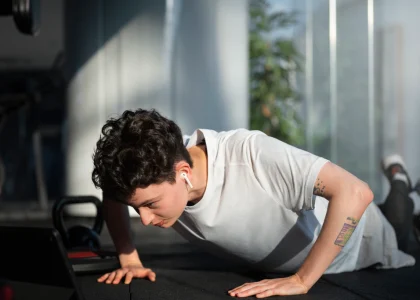


As a method of defending your body against illness, vitamins and supplements and a good night’s sleep may come to mind for most people first. But, as it turns out, one of the most effective ways to bolster your body’s natural defenses is actually extremely simple: exercise. The link between exercise and the immune system is supported by decades of research and runs through absolute, Movement has the potential to boost immunity, mental clarity and long-term health.
For my colleagues in the United States and UK, where long working hours, a high-pressure lifestyle and seasonal changes wreak havoc on immunity this is particularly urgent. In this post, we’ll discuss the wonders of exercise, both mentally and physically and how healthy eating+physical activity go hand in glove to boost your immune system.
Exercise and the Immune System
Your immune system, a sprawling network of tissues, organs and cells, is constantly on the lookout for invaders in your body. Physical activity is instrumental in maintaining the system in balance and action.
Your body gets a blood flow boost when you exercise, which helps immune cells navigate the body more effectively to kill off bacteria and viruses. This helps your body more quickly identify viruses and bacteria before they become established. (Regular exercise also decreases inflammation one of the immune system’s greatest foes.)

Exercise not only helps immune cells like T cells perform effectively, but it also lowers stress hormones such as cortisol. Elevated cortisol can also dampen the immune response, making you more susceptible to infection. By reducing stress, exercise naturally helps your defenses be more trustworthy.
Physical Effects of Exercise that Enhance Immunity
Although many of us know that exercise has physical benefits, not all of us are aware just how much these help with immunity.
Here are some of the key ways exercise enhances your body’s natural defense system:
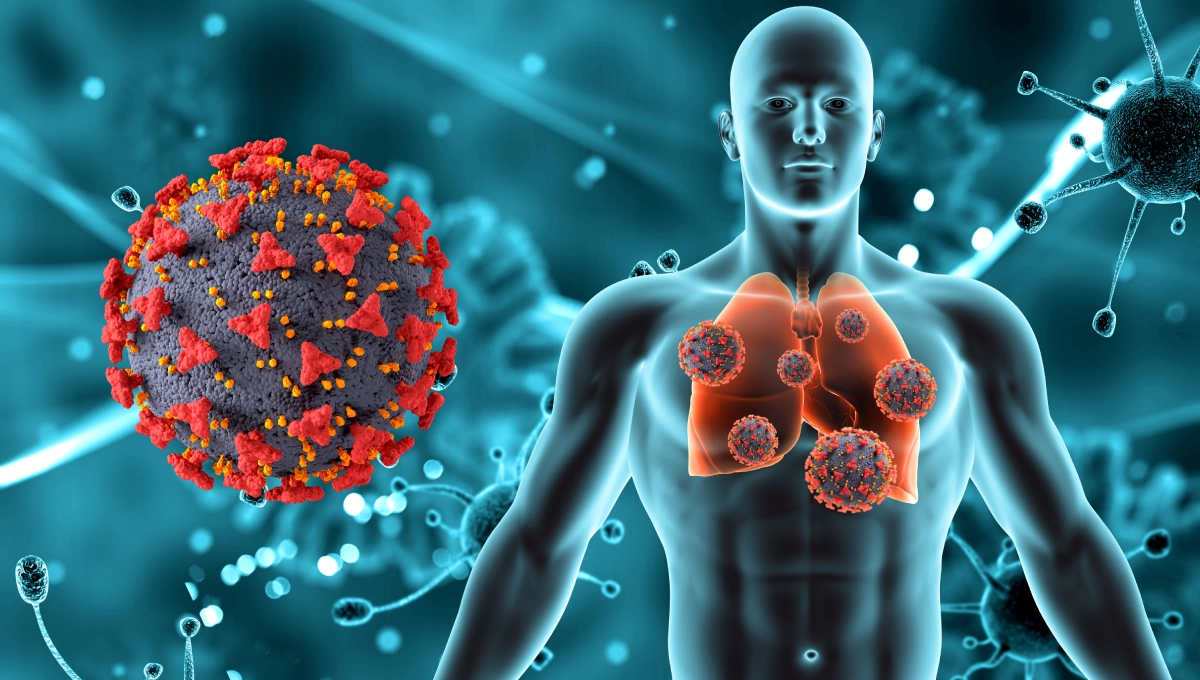
- Improved Heart and Lung Function: When it comes to nutrients, enhanced heart health results in better nutrient delivery throughout the body. With increased blood flow, immune cells that help fight an infection can get to the infection quicker and do their job better.
- Reduced Systemic Inflammation: Persistent inflammation is associated with diseases like diabetes, arthritis and heart disease. Working out cuts inflammation markers, so it not only is good for long-range health but also for ramping up the immune response.
- Enhanced Sleep Quality: Consider this: Getting a good night’s sleep is one of the most important things you can do for your immune system. Sleep better Routine exercise can help you sleep more soundly and deeply which is critical for your body to repair and revitalize itself day in and day out.
- Healthier Body Weight: Meanwhile, guiding your body to remain at a stable weight makes it easier for your immune system to do its job without getting inundated and stressed out. Obesity is an established risk factor for impaired immune function and susceptibility to infections.
The bottom line? Good physical health will boost the immunity from all sides.
Mental Health and Immunity
Connection are not Serving You The connection between mental health and immunity: the conversations you are having with yourself, what those voice overs in your head look like will directly impact how well you feel.
Frequently forgotten, the mental health implications from exercise are as important in our understanding of immunity as the physical benefits. The long-term and indirect effects of stress on immune function are well?-studied. When mental health is in the gutter, your body has a tougher time warding off illness.
Here’s what exercise does to build mental resilience:
- Improved Mood and Decreased Anxiety: Exercise raises levels of serotonin and endorphins chemicals that help you feel happy and calm. The less stress, the more robust the immune response.
- Enhanced Mental Cognition: Working out increases blood flow to the brain, enhancing mood and mental clarity. The improved mental clarity prompts you to make better lifestyle choices that will help boost your immune.
- Reduced Risk of Depression: The impact of exercise on mental health is associated with great reductions in depression symptoms. Depression is associated with dampened immune responses, so your body’s defense system actually profits from hitting the gym.
In other words, emotional well-being is part of immunity and exercise is protective of both.
Leisure Physical Activity in Daily Life
The significance of exercise transcends gym burnouts and weightlifting. Exercise of any kind walking, cycling, stretching, even gardening strengthens immunity and sounds overall health. Daily physical activity is key even for those of us in the USA and UK who have sedentary types of work.
Simple ways to keep moving are:
- Taking brisk walks during breaks
- Using stairs instead of elevators
- Yoga at home or a light workout
- Biking for errands rather than driving.
- Engaging in weekend outdoor activities
Pace is everything and more important than quantity. Just 20 minutes a day of moderate exercise can make a big difference.
How to Get Maximum Immunity From Your Food and Exercise
Exercise is potent in its own right, but when paired with healthy eating and exercise it synergizes to enhance immune strength even further. A diet that incorporates an array of antioxidants, vitamins, minerals, lean proteins and healthy fats helps to power your workouts while also supporting a strong immune system.
Some immune-boosting foods include:
- Berries
- Citrus fruits
- Leafy greens
- Nuts and seeds
- Yogurt and probiotics
- Lean meats and plant proteins
- Whole grains
Nutrition and exercise are the cornerstones of a vigorous, long-lasting immune defense.
What Happens to Your Body When You Exercise on a Regular Basis
What is certain is that regular exercise brings notable differences, not only to the immune system, but also to your well-being in general.
Here are some ways you can expect to benefit from regular exercise:
- Lower risk of chronic illnesses
- Better cardiovascular health
- Improved mental health stability
- Enhanced energy and stamina
- Better flexibility and mobility
- Higher confidence and stronger discipline
- More balanced hormones
With long-term payoff, exercise is one of the most cost-effective prescriptive measures.
FAQs
- What is the mechanism by which exercise betters the immune system?
Exercise improves blood circulation, reduces inflammation, balances stress hormones and improves the movement of immune cells around the body. - What are the effects of exercise on mental health?
Exercise increases the production of endorphins, decreases anxiety, results in a better mood, boost cognitive functions and reduces the chances of developing depression. - How often do I need to work out for immunity?
Most experts suggest 150 minutes (about 20-30 minutes per day) of moderate activity a week. - Could Healthy Eating and Exercise Help Stave Off the Coronavirus?
Eating well and exercise are beneficial together it will help nutrients absorb, support body activity and build the strength of the immune system. - How does exercise contribute to a healthy immune system and brain?
Regular physical activity boosts your immune system, promotes emotional well-being and stability, reduces stress levels, gives you more energy, fosters better lifestyle habits all are reasons for long-term health.